
If you think about how to make your home eco-friendly, most people immediately imagine bamboo floors, straw walls, and an exotic pet such as a giant African snail, an iguana, or an axolotl. But in reality, everything is much simpler. And, honestly, much closer to real life. An eco-home starts not with design, but with what you breathe.
And this is where things get interesting. The fact is that a healthy indoor microclimate is not an abstract phrase from a wellness brochure but something that can actually be measured. The WHO reports that indoor air can be 2–5 times more polluted than outdoor air, and sometimes even worse. The reason is simple. We tightly seal our windows, add household chemicals, furniture, and textiles. Then we live in this cocktail. So what should we do about it? Let’s find out.
Fresh Air Indoors
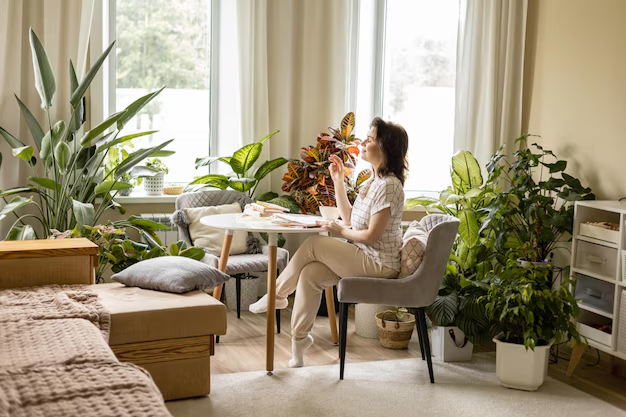
The first thing to understand is that ecology in an apartment starts with freshness. And this is not only about odor-removing products. The main thing is to understand how to properly ventilate your apartment. And no, you do not need to open the windows for half an hour in winter and heroically shiver. There are more reasonable approaches:
- 5–10 minutes of intensive cross-ventilation 2–4 times a day;
- in the morning after waking up, which helps remove the CO₂ accumulated overnight;
- in the evening before going to bed, to reduce the concentration of volatile substances.
And one more interesting fact: a CO₂ level above 1000 ppm (0.1%) already becomes a threshold that causes lethargy, drowsiness, reduced concentration, and a drop in productivity by 15% or more.
And now the eternal question: air purifier or ventilation—which is better? The answer is boring but honest: both together are best.
- Ventilation removes CO₂ and refreshes the air.
- An air purifier filters dust, allergens, and fine particles.
Dust — The Eternal Enemy of Cleanliness
If it seems that dust is simply dirt from the street, there is bad news. In reality, dust in a house or apartment mainly consists of skin particles, textiles, microplastics, and residues of household chemicals. According to the U.S. Environmental Protection Agency, household dust can contain dozens of chemical compounds, including surfactant residues from cleaning products.
Therefore, the question of how to reduce dust in an apartment is one of the key aspects of eco-friendliness. The main recommendations include:
- a minimum of open shelves;
- wet cleaning 2–3 times a week;
- high-quality filters in vacuum cleaners (HEPA is a must);
- controlling textiles, since carpets and blankets eventually become dust magnets.
And yes, if you have many decorative pillows at home, that is essentially a premium-class dust farm. It is worth remembering this while cleaning.
Air Humidity — Another Aspect of Comfort
This factor is often ignored. In practice:
- the normal humidity level is 40–60%;
- below 30% leads to dry skin and irritated mucous membranes;
- above 65% promotes mold, mildew, odors, and makes the air feel heavy.
If your plants are wilting and your nose feels like the Sahara every morning, the problem may not be you but your indoor climate. And this smoothly leads us to the next level of creating an eco-home—living greenery.
Plants — The Green Filter of Your Apartment
Indoor greening is one of the easiest ways to improve the microclimate without complex equipment. Plants truly affect humidity, CO₂ levels, and partially volatile organic compounds. Back in 1989, the NASA Clean Air Study showed that some plants are capable of absorbing toxins from the air in enclosed environments. Yes, those were laboratory conditions, but the principle remains the same—greenery works as a natural buffer.
Which Plants Clean the Air?
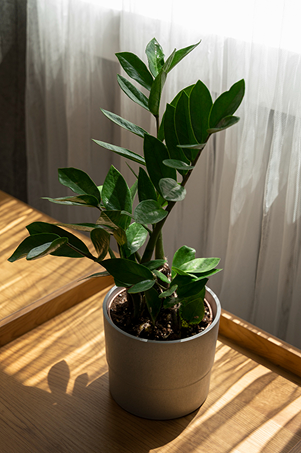
In general, almost all indoor plants benefit the indoor microclimate. The top 10 air-purifying plants include:
- Chlorophytum (Spider Plant). A leader in filtration, removes toxins and humidifies the air.
- Sansevieria (Snake Plant). Produces oxygen at night and effectively filters formaldehyde.
- Spathiphyllum (Peace Lily). Removes ammonia, benzene, and formaldehyde.
- Ficus Benjamina. Excellent at trapping dust and absorbing harmful compounds.
- Aloe Vera. Helpful not only for burns but also for improving the microclimate.
- Dracaena. Neutralizes benzene and xylene released by varnishes and paints.
- English Ivy. Effectively fights mold and toxins.
- Chamaedorea (Bamboo Palm). Also humidifies and purifies the air well.
- Anthurium. Absorbs ammonia and toluene and reduces electromagnetic radiation.
- Nephrolepis (Fern). Effectively humidifies the air and filters toxic substances.
It is important to remember one thing. Plants do not replace ventilation; they contribute to creating a healthy indoor microclimate. Especially if you have 3–5 plants per medium-sized room.
In addition, plants play a significant role in air humidification. The process is called transpiration, and here is what happens:
- plants absorb water through their roots, and only a small portion is used for growth;
- the remaining water moves up to the leaves;
- there, through tiny openings called stomata, it evaporates as water vapor.
Plants need transpiration for cooling, preventing overheating, and transporting nutrients from the soil. Humans, in turn, can enjoy this benefit for their own comfort without side effects.
Household Chemicals and Eco-Friendly Cleaning
Cleaning and washing products can rightfully be called silent saboteurs of cleanliness. Even if the humidity is perfect, ventilation is regular, and your windowsill looks like a jungle, ordinary cleaning products can ruin everything.
Why? Because traditional cleaning products:
- contain aggressive surfactants, fragrances, and other potentially unsafe components;
- mask unpleasant odors instead of removing them;
- with regular use, affect the respiratory system, especially in children, pets, and people prone to allergies.
With prolonged exposure, some ingredients can also irritate the skin and mucous membranes. Therefore, a logical question arises: what can replace household chemicals?
Modern industry has an answer. High-quality Ukrainian cleaning products from Step2Clean are based on biotechnology. And this is not science fiction but a practical scientific approach. The main goal of such products is not to mask the problem but to eliminate it.
Modern odor and stain removers work on a molecular level, literally consuming the organic residues that cause unpleasant smells. This is especially relevant for kitchens, bathrooms, children’s rooms, and areas where pets live. A cleaning product helps remove odors quickly, safely, and without harming the environment.
Particular attention should be paid to odor removers for upholstered furniture. Armchairs and sofas are simultaneously dust collectors, odor accumulators, and stain magnets. They quickly absorb food smells, suffer from pet accidents, and various household mishaps. Over time, upholstery starts to develop a life of its own. Somewhere there is a chicken stain with its corresponding aroma; elsewhere, a toddler forgot about the potty. All of this gradually accumulates if not addressed in time.
In such situations, it is important not merely to mask the problem but to eliminate its source. Step2Clean odor remover for upholstered furniture works at a deep level. Active components penetrate the fibers of the material, neutralize organic residues, eliminate stains, and remove odors.
Simply spray the product onto the affected area, and it continues working on its own. In most cases, the cleaning product can eliminate odors in less than an hour, without complicated procedures or the need to send furniture to a professional cleaning service. It is a simple way to restore freshness to your home with minimal effort.
The Practical Reality of a Modern Eco-Home
When creating a healthy and environmentally friendly living space, it is important to remember that the goal is not sterility or picture-perfect interiors. The real priority is making it easier to breathe, reducing toxic substances in the air, and ensuring that cleaning does not turn into a chemical attack on your own apartment.
Basic things can help with this: fresh air, plants, and safe Ukrainian cleaning products from Step2Clean.