
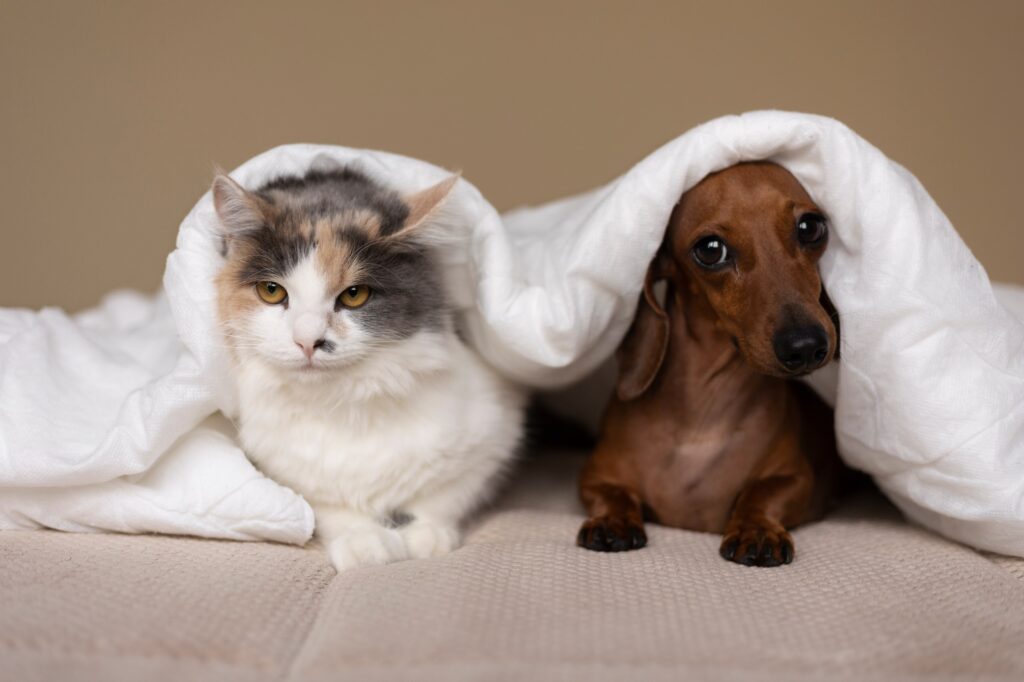
No home feels complete without the presence of pets. Cats, dogs, hamsters, fish, and parrots bring joy, unconditional love, and a sense of companionship to their owners. However, sometimes one pet is simply not enough.
Many pet owners choose to adopt a stray, provide a home for a shelter animal, or temporarily take care of a relative’s pet. This brings about a crucial moment—introducing the new pet to the household. The process requires patience, adaptability, and a deep understanding of animal behavior. Successfully introducing pets to each other is a delicate balance of patience, communication skills, and strategic planning.
Let’s go through the key aspects and factors of a smooth pet introduction, as well as some essential tips to make the process easier. This journey is not without challenges, requiring immense patience, persistence, and sometimes even finding an effective pet urine odor remover. But let’s take it step by step.
Preparing for the first meeting

Regardless of whether the new pet is a stray found in a basement or a purebred gift, proper preparation is essential. Here are a few important steps to follow:
- Veterinary check-up. Ensure both pets are healthy and free of parasites before introducing them.
- Territorial preparation. Provide separate spaces for the new and existing pets, especially in the initial stages. This will help them feel secure, reduce stress, and prevent conflicts.
- Scent exchange. Adjusting to a new scent takes time. To make the transition smoother, swap bedding or toys between the pets before they physically meet. You can also gently rub a cloth on one pet’s face and leave it with the other pet to familiarize them with the scent.
- Resource management. Before bringing a new pet home, ensure there is enough food, water, toys, resting spots, and litter boxes for each animal. Otherwise, unexpected accidents may occur, and you may need to find a quick way to eliminate pet urine odor.
Once these steps are completed, you can proceed with the actual introduction.
The first meeting: guidelines and recommendations
Experts recommend introducing pets in a neutral environment. For dogs, this can be a park or an outdoor area. However, this approach does not work for cats, as they tend to be territorial and unfamiliar outdoor settings may cause additional stress.

Here is a step-by-step guide for a successful first meeting:
- Visual contact. The animals should first see each other without direct interaction. Dogs should remain on a leash, and cats should stay in a carrier. This allows them to get used to each other’s presence without immediate confrontation.
- Scent exploration. If scent swapping was done in advance, the pets may already feel somewhat familiar with each other. However, it is still important to be cautious. Dogs should remain on a leash, and aggressive behavior may require a muzzle. Cats should be held securely but given the option to retreat if they feel unsafe.
- Owner’s role. Positive reinforcement is key. Speak in a calm voice, offer treats, and gently pet the animals to encourage good behavior. Even if things do not go as planned, avoid yelling or scolding, as this could increase stress and lead to negative associations. If accidents occur, such as urine marking, you may need to think about removing dog urine odor from the space.
Life after the introduction: adaptation and adjustment
Once the pets have been introduced, a gradual adjustment period follows. The process of getting used to one another can be smooth or filled with unexpected challenges. To ease the transition, follow these recommendations:

- Provide each pet with its own space. Each animal should have a designated area for rest. Cats, in particular, benefit from high or hidden spaces where they can retreat when needed.
- Continue slow introductions. If the first encounter was not entirely positive, keep the pets separated and introduce them for short periods each day. In such cases, keeping them in separate rooms initially can help.
- Maintain individual attention. Ensure your existing pet does not feel neglected by continuing to prioritize its routine and privileges.
Pets may take time to establish trust and accept each other. The process varies depending on their personalities and experiences. Some pets adapt quickly, while others may need weeks or even months. New companions can trigger stress and territorial behavior, which may manifest in marking or unwanted accidents on floors, furniture, or belongings.
Stable attention, encouragement, and the calmness of the owner will help the pet cope with stress. And bringing back the familiar atmosphere of freshness to the home, removing the smell of cat urine or dog feces, will be helped by an odor-neutralizing spray.
Using a pet urine odor remover
Whether an accident happens due to a new pet adjusting or an existing pet marking territory, living in a home filled with strong pet odors is not ideal. This is why a professional odor-neutralizing spray is an essential tool for pet owners.

Step2Clean offers bio-based odor neutralizers developed by leading American microbiologists. These sprays do not simply mask smells with artificial fragrances but target the root cause of unpleasant odors.
To remove pet urine stains and odors, simply spray the affected area and allow it to dry completely. The bacteria in the formula break down organic compounds, neutralizing uric acid molecules that produce odor and dissolving urea, which binds the scent to surfaces. The product is completely safe for both humans and pets, leaves no residue, and requires no wiping.
Pet odor-neutralizing sprays are available for purchase at the Step2Clean online store, offering affordable prices and delivery across Ukraine.